PRESERVING CULTURE SINCE 1979
NUL-DING KUT FESTIVAL
The Nûl-Ding Kût Festival, meaning the Festival of Renewal of Life, is one of the most important traditional festivals of the Biate community. Celebrated every year on 11th January, this festival marks the completion of the agricultural cycle and the end of the harvest season. It is a sacred occasion of thanksgiving, during which the people express their gratitude to God for a successful harvest and seek blessings for prosperity, peace, and abundance in the coming year. Deeply rooted in agrarian traditions, Nûl-Ding Kût symbolizes renewal, hope, and the beginning of a new phase of life.
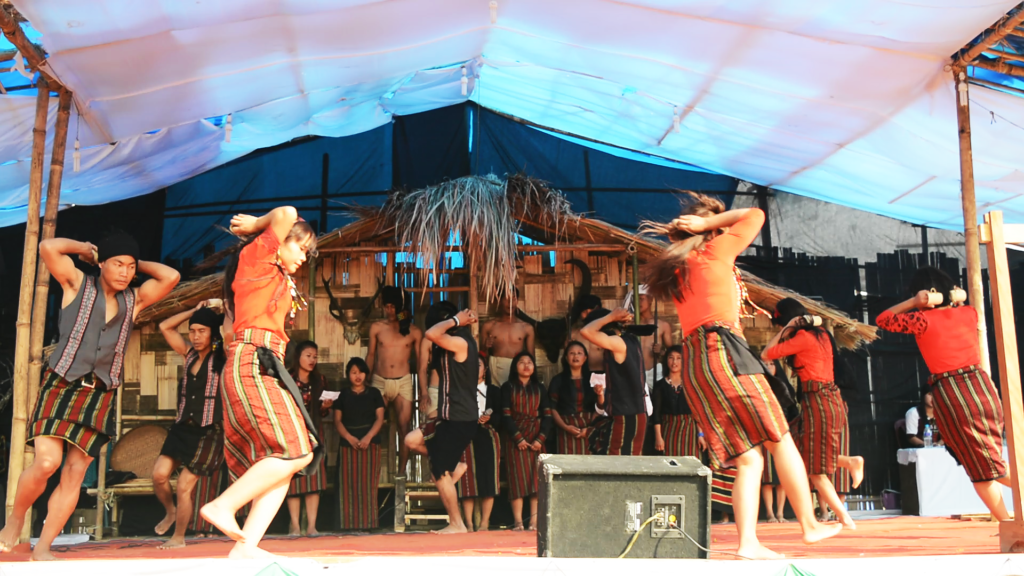
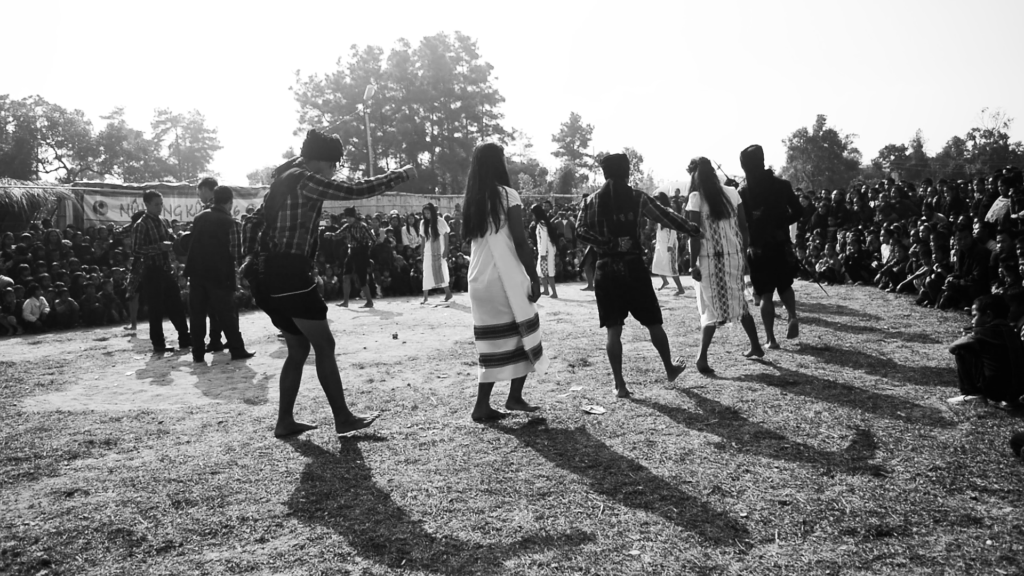
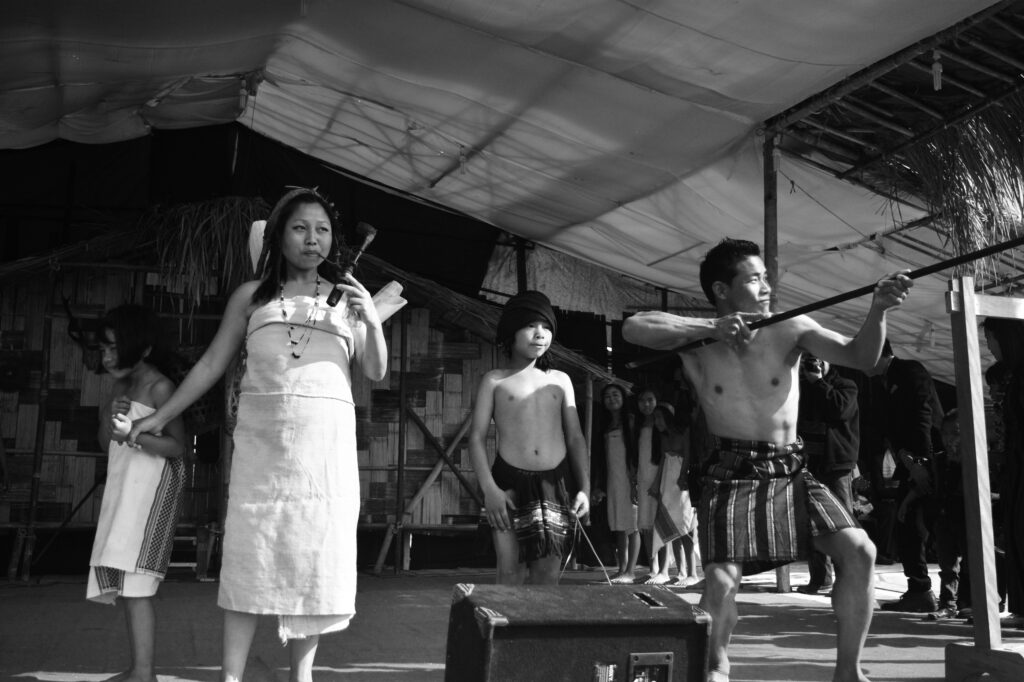
The festival is celebrated with great enthusiasm and collective participation across villages. People of all ages take part in the celebrations, with special emphasis on traditional customs and community unity. Women and men adorn themselves in colourful customary attire, reflecting the rich cultural identity of the Biate people. The celebrations include traditional songs, folk music, and cultural dances that narrate the history, values, and lived experiences of the community. These performances serve as a vital medium for preserving and transmitting cultural heritage from one generation to the next.
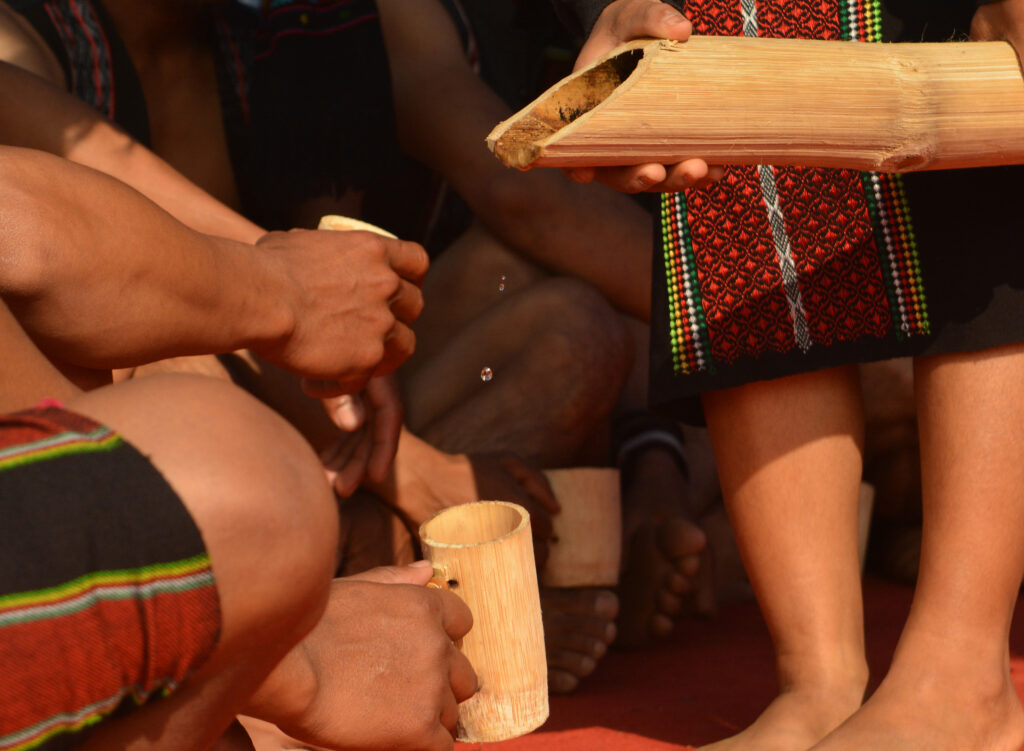
In addition to cultural performances, various traditional games and sports are organized, adding joy and vibrancy to the festival. These activities not only provide entertainment but also promote physical strength, teamwork, and traditional skills among the youth. Community feasts form an essential part of Nûl-Ding Kût, symbolizing sharing, equality, and togetherness, as families and neighbours gather to celebrate as one community.
Beyond its outward celebrations, Nûl-Ding Kût holds profound social and spiritual significance. The festival is regarded as a time of renewal and forgiveness, when individuals are encouraged to let go of past grievances, sorrow, and shortcomings. Collective prayers and customary rituals are performed, seeking forgiveness for past mistakes and divine guidance for the year ahead. This spiritual aspect reinforces moral values, harmony, and mutual respect within the community.
Nûl-Ding Kût also plays an important social role, particularly among the younger generation. The festival provides an opportunity for social interaction, strengthening relationships, and fostering unity. Through shared participation in rituals, performances, and festivities, the youth gain a deeper understanding of their cultural roots and community responsibilities. Elders play a crucial role during the festival by guiding ceremonies, sharing wisdom, and reinforcing traditional values.
Overall, the Nûl-Ding Kût Festival stands as a powerful expression of the Biate community’s cultural identity, spiritual beliefs, and social cohesion. It is not merely a celebration of harvest but a meaningful occasion that renews faith, strengthens unity, and preserves the cultural legacy of the Biate people.